
Development of INPEX Values to Become the Employer of Choice
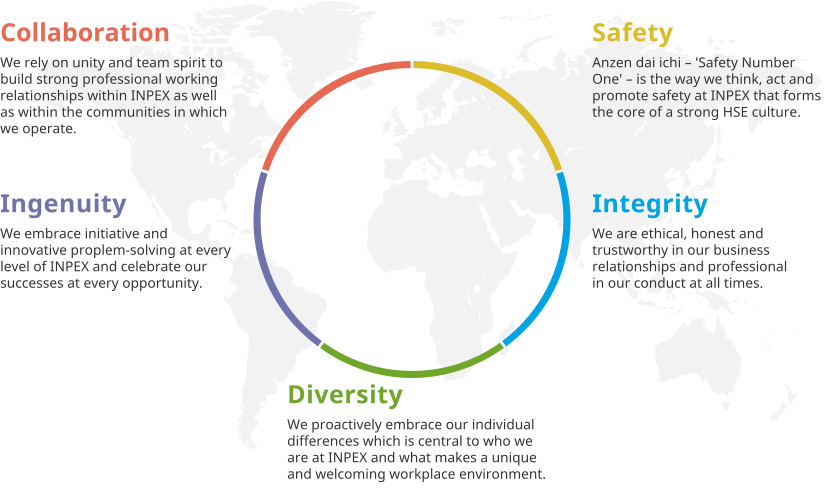
At the Group, we recognize that it is important to embody the INPEX Values formulated in 2014 as shared values for Group officers and employees. We conduct activities to promote these shared values, such as holding the Group-wide Values Awards, holding conferences for past award recipients, and conducting training programs for new graduates and mid-career hires.
In addition, we host regular psychological safety seminars, Open Offices (Direct dialogues between employees and President & CEO, Senior Executive Vice Presidents, and Senior Vice Presidents), and town hall meetings. We also foster communication through activities like team building exercises. Our aim is to build an organizational culture that encourages free and vigorous exchange of opinions and that encourages innovation, ultimately striving to become an "Employer of Choice" at a global level.
INPEX Values
Enhancement of Group Collaboration
To achieve sustainable growth for the Group in a rapidly changing business environment, we believe it is important for our foreign employees (who account for approximately 40% of our workforce) to collaborate. We encourage teamwork to cultivate growth and innovation by leveraging shared knowledge and individual experiences and integrating strengths and capabilities. Specifically, we are building an organization where Company employees and employees of overseas subsidiaries can collaborate and support individual projects. This involves holding regular global workshop meetings and technology exchange meetings across various divisions, as well as ongoing efforts to share knowledge and experience and pursue best practices across the Group. A global HR meeting was conducted over a period of two days in December 2025 at the head office, with human resources personnel from 10 overseas sites taking part. Collaboration was deepened, with opinions exchanged on a variety of themes—such as our global human resources strategy, the strengthening of engagement, and measures to promote DE&I—through group work and discussions.
We support human resource development by providing leadership programs and skills-related training tailored to the circumstances of each country. Our head office training program, designed for emerging leaders across overseas Group Companies and operations, aims to broaden their horizons and strengthen unity within the Group. This program hosted nine participants from Australia in FY2025.
Human Resource Development
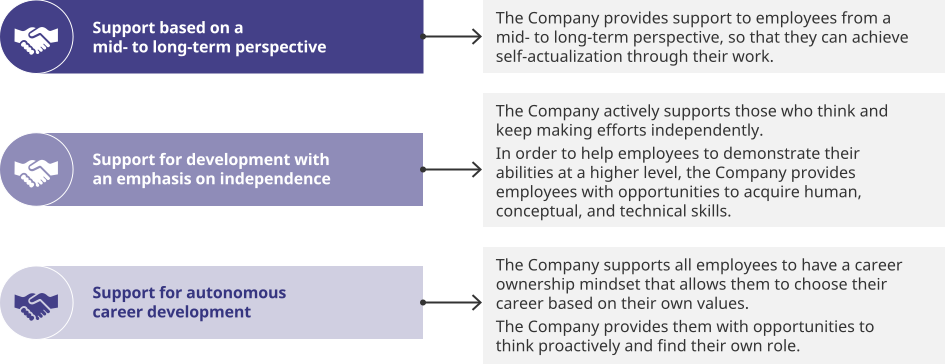
In line with our Basic Policy on INPEX Human Resources Strategy, we implement initiatives aimed at developing desired human resources and organizational culture, while supporting the medium- to long-term proactive and autonomous growth of our employees.
In addition to providing training in the knowledge and skills required for each job grade and managerial position, we also offer training for employees to acquire specialized business knowledge and skills for the energy industry. We also conduct training to develop global-level leaders. This includes programs focused on cultivating internationalism; leadership development programs for strengthening leadership; training for management capabilities to strengthen line management and maximize organizational capabilities; DE&I training to enable participants to work and produce results with a diverse workforce; and a selective leadership development program to select candidates for transformational next-generation leaders and facilitate their early appointment. Furthermore, to support autonomous career development, we conduct age-specific career workshops for employees to think about their own careers through self-reflection and career assessment, and we also implement a structure where we have a career support desk that can handle individual career consultations. Through these training programs, we provide employees with the necessary business knowledge and skills and cultivate an awareness of their own growth. In this way, we aim to support better performance and growth of participants and contribute to the long-term success and development of the organization as a whole.
In FY2025, the average training time per person for employees of INPEX*1 and subsidiaries in Australia was 48.7 hours (subsidiaries in Australia had 1,368 employees, and the reporting scope covered the Company and its subsidiaries in Australia, representing more than 85% of employees). A total of 391 employees participated in our leadership development and related programs, including next-generation leader selection and development.
-
*1INPEX CORPORATION employees (unconsolidated employees in Japan and seconded employees in Japan and overseas, excluding seconded employees from other companies)
Approach to Human Resource Development (extract from the employees' guidebook)
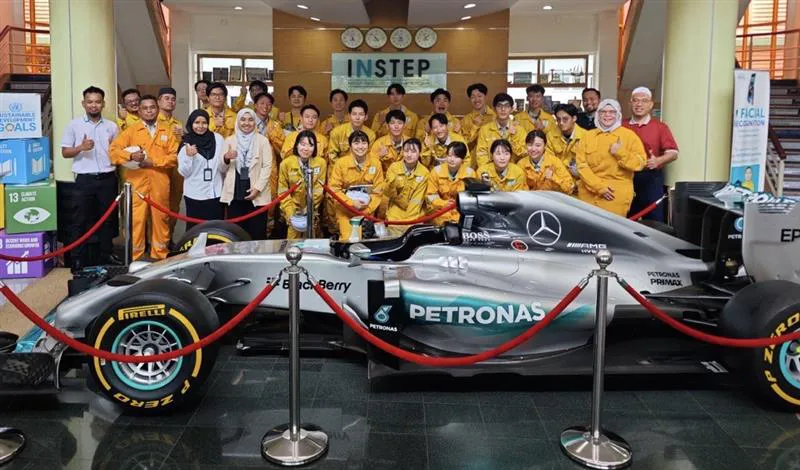
Human Resource Development for Young Employees
The first three years after joining the Company as new graduates are designated as a development period for young employees. During this period, we implement various measures that enable them to acquire the basic skills needed to operate and grow in the workplace, while taking ownership of their careers.
In FY2025, we provided new graduates with a joint two-week group training program for all job categories. In addition to each department explaining what they do, we facilitated group activities to enhance teamwork and underscore the importance of collaboration. This training also equipped new graduates with the essential mindset and skills required in the workforce.
After the group training, alongside additional job category-specific development programs, we provide support measures to help new graduates adapt to their workplaces quickly and improve engagement. In the first year of employment, through pulse surveys specifically designed for new graduates, we continuously monitor their degree of satisfaction with communication, their physical and mental conditions, and other factors, while responding to employees who request meetings with the Human Resources Unit. We also provide continuous workplace adaptation assistance, including counseling sessions with external experts. During the first three years of employment, we also provide follow-up training for all job categories. Such training helps to encourage mutual understanding and strengthen solidarity by gathering employees in their year groups and providing them with opportunities to share their experiences after being assigned to their respective departments and reflect on their situation from various perspectives.
We also implement support and guidance systems led by veteran employees, with a mentoring system for technical employees as well as a trainer system for office workers and other job categories. At the same time, we implement human resource development measures tailored to job category-specific career plans.
Alongside these systems, we actively assign our young employees—both office workers and technical employees—to offices and operational sites in Japan and overseas to provide practical training. Through contact with different operations and environments, we encourage further growth and widening of internal and external networks, focusing on developing human resources capable of playing active roles across global operations.
In FY2025, besides five sites in Japan and overseas, we increased the locations for such assignments to include new overseas sites, such as London and Jakarta, as well as Akita Field Office and the domestic sites of INPEX PIPELINE (JAPAN) CO., LTD., where approximately 90 young employees deepened their expertise through work experience.
In addition to the above initiatives, we develop young technical employees using developmental pathways called "Skill Map" system starting from their third year. Our objective is for them to develop their own areas of specialization by their sixth year, and we provide medium- to long-term development opportunities to foster skilled and autonomous engineers capable of working collaboratively with engineers from other fields.
Support for Career Autonomy for All Employees
To encourage employees to take ownership of their careers, we provide a range of training opportunities tailored to each employee's desire to learn. This includes personal development support programs and business knowledge training (free choice of e-learning courses). Our personal development support programs for employees, including fixed-term and contract employees, provide financial assistance from the Company for correspondence courses, school-based courses, and acquiring and renewing qualifications, to help our employees gain qualifications and improve their language skills. In FY2025, 378 employees participated in these programs.
We conduct career workshops and interviews as initiatives for age-specific career support. Career workshops are conducted for employees aged 30, 40, and 50 years, providing them with opportunities for self-reflection and career assessment. These workshops encourage autonomous career development aligned with their aptitudes, values, and experiences. Interviews are conducted for employees aged 55 years to provide them with opportunities to think about both their current and future careers with a view to statutory retirement and beyond.
Furthermore, in FY2023, we established an internal Career Support Desk which offers employees career guidance from career consultants. In FY2024, we enhanced Group-wide career awareness by distributing the INPEX My Career Handbook to all employees as a tool to help them think about their careers. We also continuously monitor career awareness through a self-declaration system, one-on-one meetings, and other measures, while implementing initiatives to encourage and enhance career development.
Selective Development of Next-generation Leaders
In FY2021, we launched the Breakthrough Leaders Program (BLP)*2, a selective next-generation leader development program for non-managerial employees designed to identify and develop, at an early stage, transformational leaders with Group-wide, cross-organizational perspectives who can create new value at evolving business sites. Entering the fifth year since the launch of BLP, six participants have been appointed as new managers at an early stage. In FY2022, we launched the Advanced Leaders Program (ALP)*3 for executives. ALP is now in its fourth year, and so far, three participants have been appointed to general manager or equivalent positions at an early stage. Both ALP and BLP are selective programs open to employees who are determined to play key roles at the Company and aspire to improve the Company by leading its organizations. Participants self-nominate, and we select those most likely to be motivated and proactive next-generation leaders.
-
*2A program lasting up to five years and tailored to the experiences of each selected employee to accelerate their development and facilitate their early appointment as managers, by strategically and deliberately subjecting them to an intensive series of challenging assignments (including more sophisticated tasks, leadership positions, and jobs at different departments) over a short time frame
-
*3A program to develop next-generation managers with strong foundations and rich ideas, through participation in management and business programs in Japan and overseas, learning of the latest information and trends to acquire skills for identifying issues, and engagement with employees from other companies
Leadership and Management Training Programs
We incorporate content designed to deepen understanding of the expected roles and leadership required at each level, as well as to develop capabilities, into our leadership development program for non-managerial employees to enhance their motivation for personal growth and proactive execution of their duties. After appointment to executive positions, we provide group training programs, including new executive training in scenario planning and business planning as well as new general manager training in vision-making, and all eligible executives attended these programs. For managers, in FY2025, we introduced a MGR (Manager) Cycle training program that spans across the entire fiscal year for managers—both new and existing—to acquire the necessary knowledge. Every other month, we hold common classes to reinforce their mindsets as managers and theme-specific classes that allow different knowledge to be learned each time. Newly appointed managers can attend the earliest available class. We also offer selective modules for learning skills necessary for people management, such as active listening and coaching. In FY2023, we began a 360-degree feedback program for all members of senior management up to and including the President & CEO. The objective is to enhance management capabilities by encouraging self-reflection and behavioral changes through peer feedback on performance.
Reskilling in Digital Technologies
We are actively promoting the reskilling of our employees in digital technologies to strengthen workforce performance and fully leverage digital technology as stated in Vision 2035. In FY2025, we established the INPEX Digital Academy, which centralizes our learning initiatives, to systematically provide basic training on Microsoft 365 as well as AIR, a set of awareness and training content (short content, sharing of use cases, etc.) that seeks to enable generative AI to be used naturally like air in work. Furthermore, centered on online lessons, we provide training on digital literacy topics such as data, AI, and programming, and we are also expanding learning opportunities. These opportunities include business skills—such as presentation, logical thinking, leadership, and English—and conversational content for thinking about one's career. We have also launched a digital ambassador system, soliciting willing employees, to promote the use of digital technologies in solving frontline operational issues. In addition, we will continue to pursue greater sophistication and efficiency of operations and develop a digital culture by encouraging the use of the latest AI through Group-wide events and seminars for sites, among others, and improving literacy for safe use, including ethics, risks, and governance.
Personnel Evaluation and Assignments
At the core of our approach to human resources management is a commitment to fairness in our personnel system. This approach is based on three concepts: a fair job-based grading system; a pay-for-job/performance compensation system; and a transparent evaluation system.
We conduct personnel evaluations annually along two axes: work target evaluations (target management) and work behavior evaluations (competencies). Accordingly, we disclose the evaluation process and criteria to employees to ensure transparency and fairness. By ensuring well-balanced evaluations and treatment, we connect achievement of performance targets for the organization with the growth of individuals.
Work targets are set based on the employees' organizational targets. Each employee develops a draft of their own targets, then works with their supervisor to align organizational targets with their own intrinsic motivation. During this year, through agile communication such as one-on-one meetings with supervisors, issues, progress, and achievements are shared in real time and timely feedback and consultations are provided to flexibly and effectively advance the evaluation process and human resource development.
Regarding personnel assignments, we are working to prevent rigidity in assignments, dependency on individuals, and reduction in opportunities for promotion by regularly reviewing executive positions, succession plans, and talents in each division and introducing a term limit system for line management positions.
Employees are encouraged to declare their job and division preferences, to help their managers better understand their career outlook. While we had previously conducted this process annually, in FY2024 we changed the system to allow employees to declare their preferences at any time. We also provide regular one-on-one meetings between employees and their managers to encourage dialogue that leads to medium- to long-term career development. In addition, we provide opportunities for employees to pursue their own career paths through an internal job posting system and internal side-job system. This leads to more appropriate personnel assignments while motivating employees. Concurrently, we run a job return system to welcome back motivated employees who had resigned from the Company due to unavoidable personal reasons.
Improvement of Working Environments
Based on the INPEX Group Human Rights Policy, all of our sites respect fair working hours as a workers' right and clearly state their commitment toward compliance.
Regarding working hours, we respect the Hours of Work (Industry) Convention of the International Labour Organization as well as internationally recognized standards, and we manage normal working hours so that they do not exceed 48 hours per week in principle.
Overtime work is performed based on the employee's consent, and when it is performed, premium pay is provided to all eligible employees according to their employment status. Furthermore, stemming from the approach of equal pay (fair treatment for labor of the same value), we apply a fair compensation system that does not discriminate based on gender and other attributes, and set wages at a level that exceeds the living wage at each site. We also regularly monitor and review the female-to-male pay ratio. In addition to these initiatives, we conduct an annual survey of employees to monitor working environments to ensure there are no human rights violations such as harassment. Please refer to Safety for details on our initiatives related to workplace occupational safety.
Dialogue between Labor and Management
Our labor agreement with the INPEX Labor Union stipulates that the Union possesses the right to organize, the right to bargain collectively, and the right to act collectively. We strive to maintain and develop a sound labor and management relationship by regularly providing opportunities for these parties to exchange views and ideas on a wide range of issues, such as challenges faced by the Company and future prospects, in addition to labor issues (occupational safety, working environments, compensation, working hours, training, human resource development, stress management, equal opportunities, etc.). In particular, regarding mass terminations of employees due to business management reasons or other significant matters, as well as changes in business operations that significantly impact employees, the Company and the Union have stipulated in the labor agreement that an appropriate notification period must be established in advance, and any such matters must be notified beforehand and discussed toward a peaceful and amicable resolution.
Furthermore, since the formation of the Union in FY2008, there have been no grievance cases.
Promotion of DE&I
We believe that the participation of diverse employees is essential for us to sustainably grow our business in a rapidly changing environment. To further promote diversity, equity, and inclusion (DE&I), we established a new dedicated department in April 2025. In November 2025, we held our first Group-wide event "Diversity Month," bringing in various internal and external stakeholders under the theme "Taking ownership of diversity" and holding a variety of DE&I-related events that saw the participation of approximately 600 employees.
We particularly enhanced our inclusive leadership training in FY2025. This training provides an understanding of the privileges of the majority and unconscious assumptions in organizations as well as knowledge for managers to manage diverse team members. The experiential workshop "Barrier-freeRestaurant" also uses disability as a starting point to deepen awareness about unconscious bias and privileges and encourage mutual understanding.
DE&I Policy
In February 2025, we established our DE&I Policy, positioning the promotion of DE&I as crucial to becoming an "Employer of Choice"
We pledge to:
- Respect international norms on human rights and not discriminate based on race, skin color, gender, sexual orientation, gender identity, age, creed, religion, birth, nationality, disability or educational background.
- Mutually respect and honor the individuality and diversity of every employee and strive to ensure employees have fair and equitable opportunities for self-fulfillment and career development.
- Not tolerate harassment or behavior that could be misconstrued as harassment.
- Provide opportunities for diverse human resources to make the most of their abilities, including the promotion of women's empowerment, thereby promoting vitality and innovation.
- Build a workforce that generates business value based on the acceptance of diversity, willingness to grow, and autonomous action.
- Create a work environment in which employees can work with peace of mind by widely disseminating the above initiatives.
The President & CEO has final responsibility for supervision over this policy and its initiatives in general. From the perspective of ensuring the effectiveness of this policy, the President & CEO carries out continuous monitoring, such as receiving regular reports about the progress of key measures and giving instructions and advice as necessary.
Promotion of Women's Empowerment
In line with our DE&I Policy, we established our Policy and Commitment on Promoting Women's Empowerment. We are intent on creating an environment that enables women to showcase their full potential, but we also recognize there is still uneven representation of women across job categories and their underrepresentation in managerial roles. To address this issue, we are advancing various initiatives centered on long-term career development support and leadership development for female employees.
In FY2025, we joined the 30% Club Japan, which aims to boost the number of female members of the Board of Directors and women in corporate leadership positions. Through participation in this organization, we aim to steadily advance the realization of gender equality and become a frontrunner in promoting women's advancement within the energy industry by proactively implementing measures for this target.
In our recruitment activities, through both new graduates and mid-career hires, we continue to implement measures toward growing our number of female employees and expanding the number of female applicants. Together with proactively securing human resources capable of becoming female managers in the future, we help new hires adapt quickly to the workplace by providing them with onboarding support and learning opportunities.
In our leadership development initiatives for female employees, besides encouraging participation in leadership programs, in FY2025, we started having our female employees participate in an external mentoring program to continuously strengthen their capabilities as next-generation leaders. We also organize exchanges and roundtable discussions internally for them to share experiences and issues with each other, and jointly hold such sessions with other companies, encouraging mutual empowerment and helping to expand networks and growth opportunities.
To create workplace environments where female employees can continue to build their careers and play active roles, it is essential that the burden of household responsibilities, including childcare, is not disproportionately borne by any particular gender. Therefore, we continue to support the taking of childcare leave by male employees as an important measure for supporting female employees in developing their careers and returning to the workplace. At the same time, through having a range of work-life balance support systems tailored for a variety of life events, including childcare and nursing care, we promote the creation of organizations where all employees—including female employees—can continue to play active roles.
LGBTQ+
Within the Group, the term "diversity" refers to all differences related to people or businesses, including sexual orientation and gender identity.
To promote understanding toward LGBTQ+ within our workforce, we embarked on various initiatives in FY2017, including an internal training program for officers and employees. We launched the INPEX LGBT ALLY*4 program by employee volunteers in FY2019. We continue to undertake initiatives in this area, such as inviting a member of the transgender community for a talk session during FY2025's Diversity Month.
We started revising Company systems in FY2020, putting in place arrangements for business travel, same-sex partners, and the use of aliases. We also established internal and external consultation desks and put systems in place to allow LGBTQ+ employees to fully demonstrate their abilities at work.
Besides these ongoing initiatives, in FY2025, we received a Gold award in the PRIDE Index that evaluates initiatives in the workplace related to LGBTQ+ and sexual minorities for our participation in the LGBT-Ally Project—an external community formed by ally companies—and other initiatives such as providing e-learning for all employees.

-
*4Ally refers to a supporter and person who understands related issues.
Employment of Foreign Nationals
We actively employ foreign nationals as we believe diversity brings vitality to workplace environments. Mainly, we provide support for foreign employees, in particular those who normally use English in their daily work, to minimize the challenges they may experience in living and working in Japan. We provide relocation support when they relocate to Japan, prepare intranet postings and documents in both Japanese and English, and offer Japanese-language lessons with an external teacher, with the aim of creating working environments where they can work comfortably. Furthermore, during Diversity Month in FY2025, we conducted a roundtable discussion for foreign employees and exchanged opinions regarding our working environments and DE&I promotion and shared the discussion widely on our intranet. We encourage inclusion by building workplace environments and interpersonal relationships with mutual respect and recognition that goes beyond nationality, and implement continuous initiatives that allow individuals to contribute to business.
Initiatives for the Empowerment of Senior Employees
To support the autonomous career development of our senior employees, we conduct career workshops for employees aged 50 years. They learn to design their own pathway for future success and growth through self-reflection and taking stock of their career experiences.
Since FY2022, we have been offering career consultations by career consultants for employees aged 55 years to help them think about their career vision and actions toward the milestone age of 60.
In April 2023, we revised our personnel system for senior employees (under reemployment contracts) and changed the remuneration structure for people over 60 years of age to one based on their work roles.
Employment of People with Disabilities
We are proactive in recruiting people with disabilities, taking into consideration the nature of the work and workplace environments. In FY2025 (as of December 31, 2025), we have employed 48 people with disabilities in Japan, representing 2.9% of our domestic workforce and remaining above the statutory employment rate. Through the use of our work-from-home system, flextime work system (with no core time), and the promotion of digital transformation (DX) such as the use of speech-to-text software, we continuously improve our workplace environments and working environments. We also conduct post-recruitment onboarding (follow-up toward adapting to the workplace) to create environments where employees, regardless of disabilities, can work with peace of mind.
Promotion of Work-life Balance
In accordance with our policy on DE&I, we are promoting work-life balance, aiming to create an environment where all employees can work according to their individual circumstances while maximizing their abilities in a way that suits their lifestyle.
To support this objective, we introduced a Group-wide flextime work system (with no core time), as well as a work-from-home system for office-based employees and employees who need it for reasons such as childcare and nursing-care responsibilities, enabling flexible work styles.
To reduce overtime work, Wednesday is designated as a work-life balance day in Japan, where employees are encouraged to go home early. If an employee's overtime continuously exceeds a certain threshold, the employee's supervisor and the Human Resources Unit communicate with the employee to understand the situation, jointly identify problems, and devise strategies to address these problems.
Support for Childcare and Nursing Care
For childcare-related initiatives, we actively work to create environments that support employees in balancing work and childcare, implementing various support systems. We offer statutory childcare leave to employees (maximum of 24 months), up to the day before the child's first birthday, or up to the child's second birthday if childcare facilities cannot be used and the Company agrees. We also exceed the legal requirement in paying employees their full salary for the first five days of starting childcare leave as well as 20% of their salary—within the stipulated standard—during childcare or nursing-care leave as a benefit for non-occupational injury or maternity/childcare leave*5. We also provide payment of salary during sick/injured childcare leave or nursing-care leave for up to five days per eligible family member*6, which is also above the legal requirement.
Furthermore, the scheme offers a high degree of flexibility, allowing employees with childcare or nursing-care responsibilities to work at different times of the day as well as for shorter periods through the shortened working hours program with flextime.
In addition to these system-related initiatives, we conduct seminars regarding balancing work and childcare, and hold thematic roundtable discussions for employees, including employees on childcare leave just before returning to work, male employees who have taken childcare leave, and employees with children who have yet to enter elementary school. We also provide opportunities for sharing the senior management's messages of encouragement offered in-person to employees who return from childcare leave. Through such initiatives, we implement measures for fostering positive attitudes to reduce worries about balancing childcare and gaining understanding from colleagues and workplaces. We also encourage male employees to participate in parenting, sharing experiences of male employees who have taken childcare leave and information on how the system works. As a result of these efforts, there is a growing trend in the percentage of male employees taking childcare leave. We also extended the eligibility for shortened working hours until an employee's child graduates from elementary school, and extended the eligibility for restriction of overtime work and late-night work and exemption from stipulated overtime work until the child graduates from junior high school. We strive to create environments that allow a balance between childcare and work and encourage further understanding about childcare leave and employees with children.
Factors such as the increasing number of dual-income families have resulted in the diversification of overseas assignments. Therefore, we introduced a childcare support system in April 2025 for employees stationed overseas who bring only their children with them, supporting their continued career development in their overseas location and reducing the burden of childcare.
We also support our employees in developing their skills by allowing them to use the self-development support system even while they are on leave.
To further assist employees with childcare responsibilities, those who return to work prior to their child's first birthday are entitled to two 30-minute nursing breaks per day (paid) until the child turns one year old, and we also provide childcare support arrangements for children up to the age of three. In addition, we have an agreement with a Company-led nursery school to give enrollment priority to the children of our employees. We have also signed up with a childcare service provider.
Furthermore, in FY2026, we plan to introduce an external concierge service that supports employees in looking for nursery schools to better help them balance work and childcare.
We are also strengthening our support for balancing work and nursing-care responsibilities. We offer flexible arrangements related to nursing-care leave for those with elderly parents, even if they are not officially certified care recipients as per the usual legal requirement, allowing employees to take nursing-care leave even for purposes such as accompanying their elderly parents to the hospital or assisting in their daily lives. In FY2025, we introduced an external consultation desk that allows employees to consult experts regarding nursing care for the elderly, establishing an environment where they can balance work and nursing-care responsibilities with better peace of mind. In FY2025, via our intranet, we also released a guidebook consolidating internal and external systems that can be used for nursing care. Across the Company, we are working to improve literacy regarding nursing care through initiatives such as organizing virtual reality seminars that allow participants to experience the perspectives of dementia patients.
Besides our existing support for employees on leave for childcare or nursing care, we also established a new Childcare and Nursing Care Work Substitution Allowance in April 2025, provided to employees who substitute for colleagues on childcare and nursing-care leave. This allowance helps to reduce the psychological burden on those around employees who choose to take leave for childcare or nursing care and is also positively perceived internally.
-
*5Any employee who has been in employment for more than one year can take childcare leave, regardless of gender. The public employment security office pays 67% (or 50% when a certain period is exceeded) of regular monthly salary as childcare allowance. In addition, as our own support, we go beyond the legal requirement and pay 20% of an employee's salary—within the stipulated standard—during childcare leave until the child is one year old as a benefit for non-occupational injury or maternity/childcare leave.
-
*6A maximum of 10 days if there are two or more eligible family members
KENKO Investment for Health
INPEX Group Health Statement
We believe the mental and physical health of all employees is the core of the Group, and therefore regard health management as a material management issue. The INPEX Group Health Statement issued in September 2018 sets out our position to support and improve the health of employees and their families, with the President & CEO appointed as Chief Health Officer.
The statement declares that: the Company implements various measures to maintain and improve the physical and mental health of employees as well as their families; the Company aims to build a vibrant corporate culture by creating a work environment which maximizes the potential of all employees; and employees should proactively maintain a physically and mentally healthy lifestyle.
Operational Structure of KENKO Investment for Health
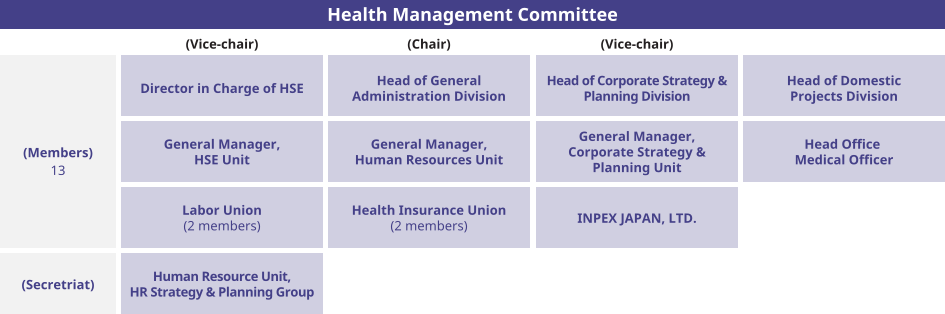
Under the leadership of the President & CEO as Chief Health Officer, we are working with the INPEX Labor Union, health insurance union, and medical officers to maintain and improve the health of our employees and their families and to create a healthy workplace. For this purpose, we have set up the KENKO Investment for Health Committee (Committee inauguration date: September 26, 2018).
The Committee meets regularly, at least once a year, and seeks collaboration with personnel in charge at each office, safety and health committees, and partner medical institutions. Based on the INPEX KENKO Investment for Health Strategy Map developed in FY2022 from a medium- to long-term perspective, the Committee discusses key annual measures while working to understand health issues and validate the effects of each measure. Through continuous initiatives driven by the PDCA cycle, we are strategically advancing KENKO Investment for Health on a Group-wide basis.
KENKO Investment for Health Committee
Agenda Items
- Issues relating to employee health and required countermeasures
- Groundwork for KENKO Investment for Health, steps to improve workplace environments
- Specific measures to address employee mental and physical health
- Review of effectiveness of measures to maintain and improve health
- Other important matters relating to maintaining and improving health
Measures to Maintain and Improve Health
At the Group, based on the INPEX Group Health Statement, we maintain and improve the physical and mental health of employees and their families, create workplace environments to maximize the potential of all employees, and strive toward creating workplaces that can better maintain and improve health and meet needs for well-being, while considering circumstances such as the culture and customs of each country or subsidiary.
We strive to prevent lifestyle-related diseases by supporting employees in understanding the results of health checks through measures such as workplace health checks, comprehensive medical examinations through reservation services, health check result confirmation and interviews with a public health nurse or medical officer, and specified health guidance. We also conduct regular online health seminars to improve health literacy and provide health apps, among other means, to implement measures and provide information that employees can use in their daily lives. In addition, to maintain and improve mental and physical health through sports, we continuously support employees' motivation to exercise by offering financial assistance for various Company club activities, organizing walking campaigns and physical fitness tests, and offering subsidies for gym expenses. Since FY2024, we have been consecutively certified under the Sports Yell Company program.
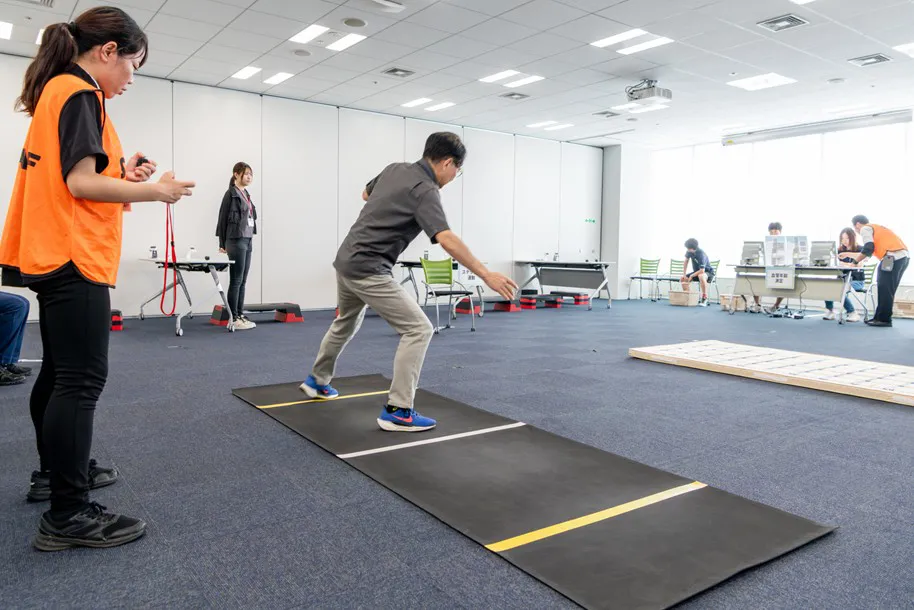
We have also established specific targets for: employee participation in health checks and stress checks; average overtime hours; paid leave acquisition rate; and participation in government-sponsored specified health checks and specified health guidance programs. We are also working to reduce presenteeism and absenteeism and become a company where every employee maintains a high level of health awareness and can work in good mental and physical health.
Initiatives for Mental Health
At the Group, we see the strengthening of measures for mental health as a global common issue, undertaking measures such as e-learning, collaboration with doctors, and follow-up for those returning to work from leave.
When conducting the annual stress check required by law, we also conduct an engagement survey to analyze the state of our organizations. We feed the results back to each organization and encourage improvements to create more conducive workplaces. Through these surveys, we confirm factors such as job satisfaction (external motivation), sense of purpose (internal motivation), the state of having a sense of happiness regarding work and the ease of working, and the state of stress. We maintain a high level of participation in stress checks, exceeding 90% each year, and use this to regularly check our employees' mental health and engagement. At the same time, in the quarterly pulse surveys, we allow supervisors to view the responses, visualizing the state of organizations and individuals in a timely manner to improve organizational issues and follow up with individuals.
For those with mental health issues, the primary physician, medical officers, public health nurse, the Human Resources Unit, and the employee's supervisor work together to provide follow-up care while the employee is on leave and after their return to work. We also provide access to mental health counselors to employees stationed overseas and their accompanying family members.
We also provide education on psychological safety to new graduates during their orientation training, offer an external employee assistance program that allows employees to seek consultation when feeling mentally or physically unwell, and implement a system under which trainees receive operational guidance and emotional support from senior employees as "mentors" (for first-year office workers and first- and second-year technical employees) and as "supporters" (for second- and third-year office workers). These efforts are now well established.
Other Initiatives to Tackle Health Issues
In addition to legally required health checks before and after overseas assignments for employees stationed overseas and their families, we also require them to undergo annual health checks while on assignment to regularly check their state of health. Furthermore, we have a structure for emergency transportation arrangements, which includes international transportation in case of injury or sickness.
As a measure to prevent infectious diseases, we also offer influenza vaccinations at our workplaces or financial assistance for these vaccinations. In FY2024, we started antibody testing and vaccination as measures to prevent measles and rubella. For employees stationed overseas and their families, our efforts include providing them with vaccinations against various infectious diseases, information on the risk of infectious diseases (such as malaria, Zika virus, HIV, and tuberculosis) and other overseas medical risks, and information on medical care in their countries of assignment to alleviate their concerns about infectious diseases and maintain their health on assignment.
Furthermore, we strive to create working environments that enable employees with cancer or other illnesses to balance treatment and work commitments. This is achieved through our paid sick leave system and flexibility in workstyles (extension of shortened working hours, shortened flextime work system, and selection of the number of working days per week). We also provide all employees with financial assistance for cancer screenings, and in FY2024, we launched a cancer screening campaign as a measure for health issues unique to female employees.
Results of Initiatives for KENKO Investment for Health
FY2025 Results
KENKO Investment for Health Committee Meetings
- Held two meetings (June 26 and November 20, 2025)
Major Initiatives for KENKO Investment for Health
- Implemented measures to improve the rate of participation in specified health guidance
- Implemented measures to prevent measles and rubella (antibody testing and vaccination)
- Conducted a cancer screening event targeting female employees
- Conducted a Group-wide walking campaign
- Prohibited smoking during working hours for two days each week as a measure against smoking
Status and Verification of Effectiveness of Initiatives for KENKO Investment for Health
| Boundary | FY 2022 |
FY 2023 |
FY 2024 |
|
|---|---|---|---|---|
| Promotion of health actions | Participation rate in online health seminars (from FY2022) | 11.6% | 12.0% | 8.2% |
| Prevention of lifestyle-related diseases and their aggravation | Participation rate in specified health guidance | 30.7% | 26.2% | 78.9% |
| Participation rate in periodic health checks | 100.0% | 100.0% | 100.0% | |
| Participation rate in follow-up health checks | 83.7% | 72.5% | 69.2% | |
| Participation rate in health checks for employees stationed overseas during temporary return to Japan | 60.2% | 69.2% | 68.9% | |
| Number of applications for financial assistance for cancer screening | 19 | 33 | 33 | |
| Number of sick leave cases (from FY2022) | 11 | 95 | 114 | |
| Number of employees who took sick leave | 1 | 4 | 4 | |
| Percentage of employees who smoke | 16.6% | 21.8% | 17.0% | |
| Percentage of employees who maintain appropriate weight | 68.4% | 63.3% | 68.1% | |
| Percentage of employees who regularly exercise | 29.2% | 31.7% | 32.0% | |
| Percentage of employees who feel sufficiently rested after sleep | 77.5% | 72.9% | 79.4% | |
| Percentage of employees who regularly consume alcohol | 18.6% | 24.1% | 22.7% | |
| Percentage of employees with blood pressure risk | 0.4% | 0.5% | 0.3% | |
| Percentage of employees with potential risk related to blood sugar level | 0.5% | 0.4% | 0.2% | |
| Percentage of employees with poorly controlled diabetes | 0.6% | 1.3% | 0.8% | |
| Measures for mental health | Participation rate in self-checks | 17.5% | 16.1% | 15.1% |
| Participation rate in seminars regarding care by management or self-care | - | 84.6% | 68.9% | |
| Participation rate in stress check (organizational diagnosis)1 | 93.1% | 93.1% | 90.4% | |
| Stress reaction (deviation) | 50.6 | 50.8 | 51.4 | |
| Work engagement (deviation)2 | 52.7 | 52.5 | 53.4 | |
| Percentage of employees with high levels of stress | 6.3% | 6.5% | 5.6% | |
| Percentage of employees with high levels of engagement | 15.8% | 16.3% | 17.1% | |
| Psychological safety (deviation) | 50.9 | 51.5 | 51.9 | |
| Number of absenteeism days3 | 0.9 | 2.0 | 1.7 | |
| Score of presenteeism4 | 65.4 | 64.7 | 74.6 | |
| Number of employees on long-term absence/leave due to mental issues | 16 | 23 | 14 | |
| Number of cases received by various consultation desks | 201 | 254 | 269 | |
| Promotion of work-life balance | Average hours of overtime work | 21.9 | 21.0 | 20.0 |
| Total number of employees with more than 45 hours of overtime work in a month | 1,654 | 1,131 | 950 | |
| Total number of employees with more than 80 hours of overtime work in a month | 82 | 26 | 17 | |
| Rate of taking leave | 71.8% | 74.0% | 75.0% | |
| Implementation rate of team building5 | 48.4% | 77.0% | 76.0% | |
| Utilization rate of financial assistance for various club activities | 62.8% | 54.0% | 60.0% | |
| Utilization rate of cafeteria plan6 | 56.4% | 85.6% | 92.0% |
-
1Participation rate in stress check (organizational diagnosis) was calculated, using the following figures, by dividing the number of respondents by the number of applicable employees and multiplying by 100.
FY2022: 1,741/1,870; FY2023: 1,738/1,865; FY2024: 1,759 /1,945 -
2Work engagement was calculated using a service provider scale covering eight items that correlate highly with the Utrecht Work Engagement Scale to measure the average deviation score among all employees.
-
3Number of absenteeism days is the average number of days of paid sick leave (including absences) used in the fiscal year in question among all employees.
-
4Score of presenteeism is based on a survey of employees using the WHO-HPQ absolute presenteeism scale (0-100). The results are the average for all employees.
-
5The figure for FY2022 is the implementation rate of one-on-one meetings before the strategy map was revised.
-
6The figure for FY2022 shows the utilization rate of outsourced welfare services before the system was revised.
List of Other Initiatives for Maintaining and Improving Health
General Health Measures
- Establishment of infirmary/health management room (medical officer / public health nurse / nurse)
- Establishment of health consultation desk
- Support for the prevention of lifestyle-related diseases
- Financial assistance for health checks
- Treatment of time required for follow-up health checks as working time
- Treatment of time required for vaccination as working time
- Cancer seminars by partner medical institutions
- Online exercise
- Morning warm-up sessions (before work)
- Financial assistance for welfare activities
- Promotion of sports facility use through introduction of a Cafeteria Plan
Other Initiatives
Recruitment of Athlete Employees
We started recruiting athlete employees in FY2024 to foster a greater sense of unity. While collectively supporting our athlete employees aiming for the world's highest sporting accolades, we also conduct various events such as sports classes by our athlete employees. Through these initiatives, we deepen interactions with our employees and their families, and further strengthen our sense of unity across the Group.
Senior Vice President's Awards and General Manager's Awards
These awards aim to energize the organization by recognizing the day-to-day achievements of employees.
Cafeteria Plan (Free-choice Employee Benefit Program)
The Cafeteria Plan grants points to employees each year. Employees can use their points to choose benefits that most suit them. Benefit options include childcare and nursing-care support, disease prevention, access to fitness gyms or sporting facilities, leisure activities, and entertainment options.
Internal Company Event Support (Team Building and Recreation Activities)
Financial support is provided to cultivate a sense of unity and strengthen relationships within the organization, aiming to promote interaction and communication between employees.
Employee Shareholders' Association (59% Participation)
Employees are supported in their efforts toward medium- to long-term wealth accumulation, including through payment of financial incentives to employees participating in the employee shareholders' association.
Free-choice Defined Contribution Plans (82% participation)
Employees are supported in their efforts to build wealth for the future. Based on the choice and life plan of the individual, a set allowance is paid as part of their salary or contributed to their pension plan.
Support for Employees Undergoing Medical Treatments
Employees are supported in balancing work and medical treatment for serious illnesses such as cancer and intractable diseases designated by the government through flexible work arrangements tailored to their treatment needs.
Related Page
-
Human Capital>Risk Management Metrics, Targets and Results
-
Feature 1:Power in Diversity: A Dialogue - Director and Employees
-
Respect for Human Rights
-
ESG data>Social